
How Often to Change a Furnace Filter: The Complete Homeowner Guide
A furnace filter may look like a simple piece of your heating system, but it has one of the most important jobs. It protects your furnace from dust and debris and keeps the air inside your home cleaner and healthier. If you do not change it often enough, your system loses efficiency, your energy bills increase, and indoor air quality declines. In serious cases, a neglected filter can even cause furnace failure.
So how often should you change a furnace filter? The real answer depends on several factors, including your home environment, filter type, and how often your system runs. This guide covers everything you need to know, including filter types, warning signs, and practical replacement tips you can use right away.
What Does a Furnace Filter Do?
A furnace filter sits between the return air duct and the furnace. As air cycles through your heating system, the filter traps dust, pet hair, allergens, and airborne debris. Cleaner air then moves through your furnace blower and heating components before circulating back into your living space.
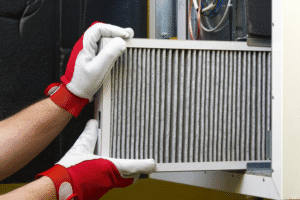
A clean filter benefits both your furnace and your health. Without it, dust would build up inside your furnace, forcing mechanical parts to work harder, overheat, and eventually wear out. Your indoor air would also become full of pollutants that aggravate allergies and respiratory irritation.
So How Often Should You Change It?
Here are typical replacement timelines based on filter type
Filter Type | Thickness | Replacement Frequency |
Fiberglass | 1 inch | Every 30 days |
Pleated | 1 inch | Every 60 to 90 days |
High-capacity pleated | 4 to 5 inches | Every 6 to 12 months |
Washable electrostatic | Reusable | Clean monthly |
Media filter | Large cartridge | Every 6 months |
HEPA filter | High filtration | Every 6 to 12 months |
These timelines are general guidelines. Realistically, your situation may demand more frequent changes.
Factors That Affect How Often You Should Change a Furnace Filter
Several real-life conditions affect how fast furnace filters clog:
Pets
If you have cats or dogs, especially long-haired pets, replace your filter more often. Pet dander moves through the air and clogs filters quickly.
Allergies or Asthma
If anyone in your home has allergies or breathing concerns, change filters every 30 to 60 days to maintain cleaner air.
Smoking Indoors
Smoke particles saturate filters fast. Monthly filter changes are recommended in homes where smoking occurs.
Home Location
Homes near busy roads, construction areas, farms, or dusty environments need more frequent filter checks.
System Usage
If you run your furnace frequently during colder months, filters trap more dirt and need faster replacement. If the furnace runs lightly, you can extend the schedule.
Filter Quality
A cheap fiberglass filter clogs faster than a high-quality pleated filter. The price difference is minimal compared to the efficiency gain and furnace protection a better filter provides.
Signs Your Furnace Filter Needs Changing
Do not wait for a scheduled date. Replace your furnace filter immediately if you notice any of these signs:
- The furnace is running longer to heat your home
- Airflow from vents feels weak or restricted
- You notice more dust around your home than usual
- Rooms feel stuffy or air quality feels poor
- Your energy bills start climbing
- You experience more allergies or irritation
- The furnace overheats or cycles on and off too frequently
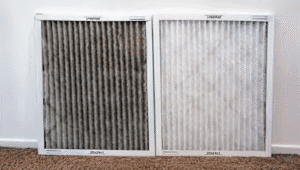
- The filter looks dirty or clogged when inspected
A furnace that struggles to pull air due to a clogged filter cannot operate efficiently. It is similar to breathing through a straw; eventually the system will strain and fail.
What Happens If You Do Not Change the Filter?
Neglecting your furnace filter causes real and expensive problems:
- Higher heating bills due to poor airflow
- Excess dust inside ducts and furnace components
- Reduced comfort and uneven heating
- Increased wear on blower motors
- Overheating and shutdowns
- Poor indoor air quality
- Dirty heat exchangers that reduce furnace lifespan
Regular filter replacement is the simplest and most effective form of furnace maintenance. It keeps your heating system running safely and efficiently.
How to Choose the Right Furnace Filter
When choosing a furnace filter, you may see ratings called MERV, which stands for Minimum Efficiency Reporting Value. The higher the MERV number, the better the filtration.
MERV Rating | Best For |
1–4 | Basic protection, minimal filtration |
5–8 | Standard homes, good dust control |
9–12 | Better filtration, pet homes or mild allergies |
13–16 | High-level filtration for allergies and health needs |
Most homes use MERV 8 to 12 filters. Anything higher may restrict airflow if your system is not designed for it. When in doubt, check your furnace manual or ask a professional before upgrading.
How to Change a Furnace Filter
Changing a furnace filter is quick and simple:
- Turn off the furnace
- Locate the filter slot near the return air duct or blower compartment
- Remove the old filter
- Note airflow direction arrows on the filter frame
- Insert the new filter with arrows pointing toward the furnace
- Replace cover and turn the system back on
Tip: Write the install date on the filter frame so you know when to replace it.
Helpful Maintenance Schedule
Here is an easy reminder schedule:
- Check filter once a month
- Replace filter every 30 to 90 days based on use
- Schedule seasonal system inspection twice a year
- Sign up for a maintenance plan to automate reminders
If you want automatic reminders and professional service, consider joining a maintenance club so your filter changes and seasonal tune-ups stay on track without the hassle.
When to Call a Professional
Changing a filter is a simple task, but if your furnace still has issues after replacing it, you may be dealing with:
- Airflow obstructions in ducts
- Blower motor failure
- Dirty evaporator coil
- Overheating safety lockouts
- Incorrect filter size
- Hidden air leaks or pressure problems
A certified HVAC technician can diagnose airflow problems and system inefficiencies. If you have recurring heating performance issues, explore professional HVAC services to keep your furnace performing correctly.
On A Final Note;
Regular furnace filter changes protect your heating system, improve indoor air quality, and save you money. In most homes, filters should be changed every one to three months. Homes with pets, allergies, or heavy furnace usage need more frequent changes. The best practice is to check your filter monthly and never let it become clogged.
Keep Your Furnace Running Smoothly
If you want help choosing the right filter or keeping your heating system maintained year-round, Tailored Mechanical is ready to help. We offer expert furnace care, repair, and maintenance plans designed to keep your system running efficiently in every season.
Call (520) 808 2743 today to schedule service or speak with a furnace specialist.