When your air conditioner starts making strange noises, it can be both annoying and worrying. One of the most common sounds homeowners notice is a steady whooshing or rushing air noise. Sometimes it comes from the indoor vents, other times from the outdoor unit. The good news is that a whooshing noise doesn’t always mean something serious is wrong, but it does signal that your system needs a little attention.
This guide breaks down what causes a whooshing noise in an air conditioner, how to tell if it’s normal, and what you can do to stop it. By the end, you will know when to relax and when to call a professional before the sound turns into a bigger problem.
Key Takeaways
- A whooshing noise can be normal airflow, but new or loud sounds often indicate restricted airflow or duct issues.
- Dirty filters, blocked vents, or leaking ducts commonly create rushing-air noises and reduce overall AC performance and comfort.
- Persistent whooshing may signal refrigerant problems, blower fan imbalance, or frozen coils that require professional inspection.
- Regular maintenance, clean filters, sealed ducts, and seasonal tune-ups help prevent noise issues and keep your AC running quietly.
Air Conditioner Makes a Whooshing Noise
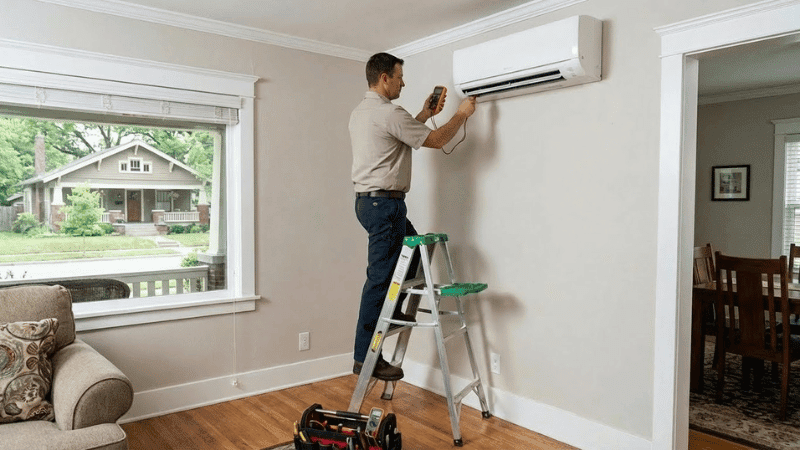
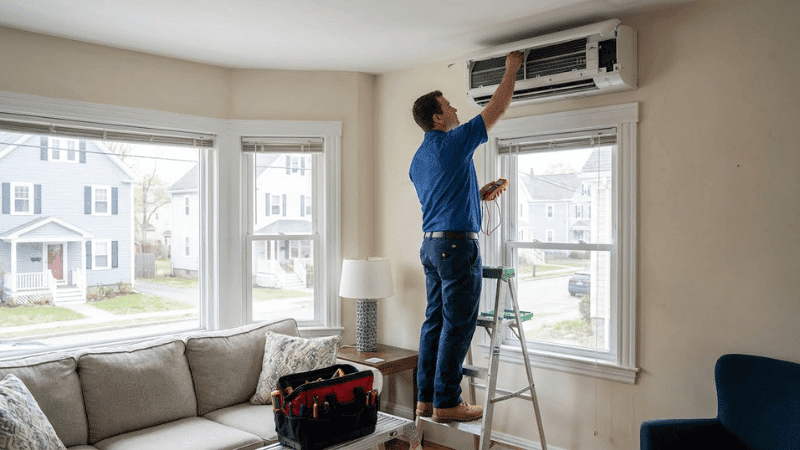
A “whooshing” sound from an air conditioner can be normal airflow, especially if it’s a new or loud sound, but it may also signal problems like a dirty air filter, blocked vents, or a leaky air duct. If the noise is new, loud, or accompanied by other symptoms, start by checking and replacing the air filter and clearing any obstructions from vents. If the issue persists, a professional inspection may be needed to check for ductwork problems.
First, What’s a “Whooshing” Noise Exactly?
A whooshing sound is different from the usual hum of your AC fan. It sounds like a soft rush of air, similar to wind blowing through a vent or a light vacuum sound. You might hear it:
- When the system starts or stops
- When the thermostat triggers the compressor
- While air moves through vents at high speed
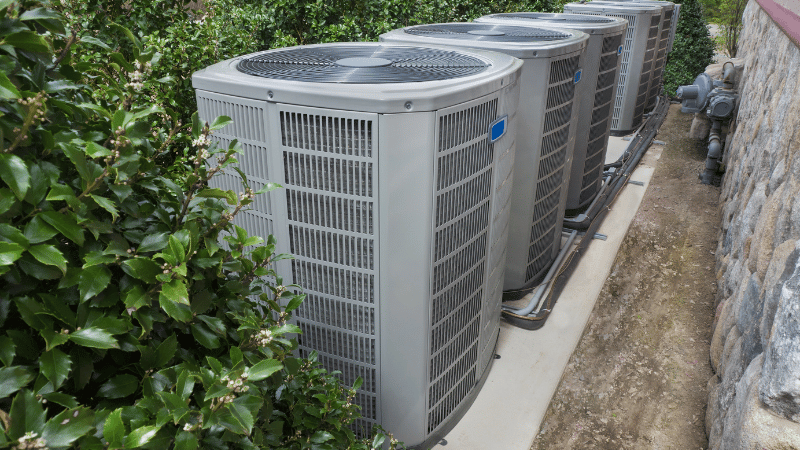
- From the outdoor unit during operation
The key is to figure out whether that sound is part of normal airflow or a symptom of a developing issue.
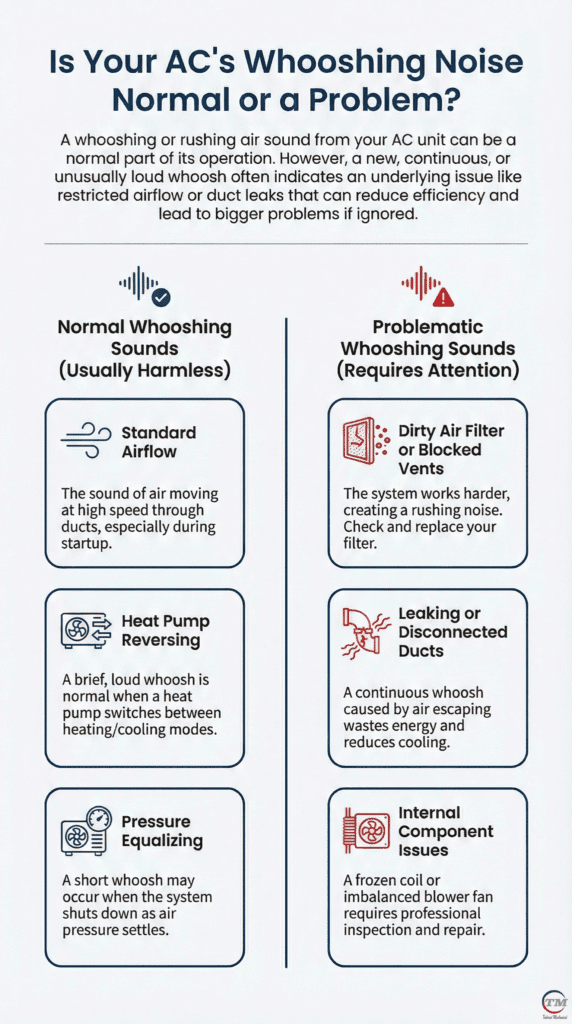
When a Whooshing Sound Is Normal
Not every whooshing noise means trouble. Some systems naturally produce that sound during normal operation.
1. Airflow Moving Through Ducts
A healthy air conditioner pushes a lot of air through your ducts. If the ductwork is narrow, dirty, or has small leaks, you may hear air rushing through at higher speed. It’s especially noticeable when the system starts after being off for a while.
2. Refrigerant Reversing in a Heat Pump
If you have a heat pump, you may hear a loud whooshing noise when it switches between heating and cooling modes. This is completely normal. The sound happens as the reversing valve redirects refrigerant flow. It lasts only a few seconds.
3. Air Pressure Equalizing
When your system shuts down, you might hear a short whoosh as air pressure equalizes in the ducts. This is harmless and does not require AC repair.
When a Whooshing Noise Means Trouble
If the noise is new, continuous, or louder than usual, your system may have a problem that needs attention.
1. Dirty Air Filter or Blocked Airflow
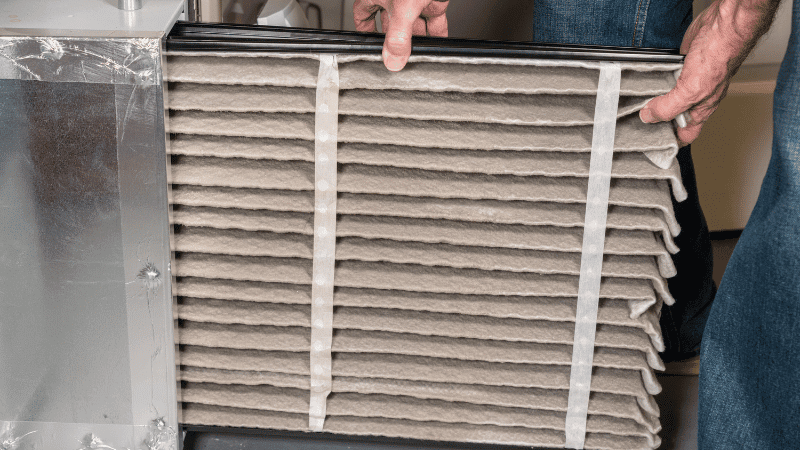
Restricted airflow is one of the most common causes of whooshing sounds. When filters are dirty, the system must pull harder to move air through, creating that rushing noise. This also stresses your blower motor and reduces cooling efficiency.
Fix: Check and replace your air filter. If the sound improves, the problem is restricted airflow. Regular AC maintenance helps prevent this issue altogether.
2. Duct Leaks or Loose Connections
Air escaping through holes or gaps in your ductwork creates a soft, continuous whoosh. The more air that leaks, the louder it gets. In addition to noise, this wastes energy and reduces airflow to your rooms.
Fix: Have your ducts inspected and sealed professionally. Even small leaks can create big performance losses.
3. Malfunctioning Blower Fan
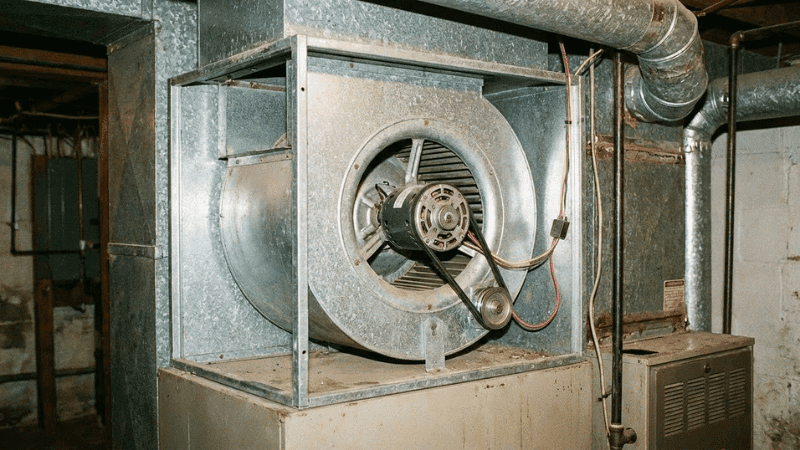
If the blower wheel inside the indoor unit is dirty or off balance, it can make a whooshing or whirring sound that changes with fan speed. The imbalance also strains the motor bearings and can eventually cause failure.
Fix: Turn off the system and schedule professional cleaning. The fan wheel must be removed and balanced properly by a technician.
4. Refrigerant Flow Issues
Low refrigerant or partial blockages inside the refrigerant lines can create strange air-like noises. These sounds often come and go, accompanied by reduced cooling or hissing sounds near the outdoor unit.
Fix: This requires professional AC repair services to test pressure levels and locate leaks. Do not attempt to handle refrigerant yourself. It requires EPA-certified tools and training.
5. Expanding or Contracting Ducts
When ducts heat up or cool down quickly, the metal expands and contracts. This can make a short whoosh or popping sound as the system cycles on and off. It’s harmless but can be reduced by insulating the ducts or adding flexible connectors.
6. Frozen Evaporator Coil
If the coil inside your indoor unit freezes, air may rush unevenly through parts of the coil that remain open, creating a hollow whooshing noise. You may also notice weak airflow or water pooling near the air handler once the ice melts.
Fix: Turn off your AC and run the fan to defrost the coil. Replace the air filter and check that vents are open. If it happens again, call for professional service to identify airflow or refrigerant issues.
7. Debris in the Outdoor Unit
Leaves, twigs, or small debris trapped between the fan blades and housing can cause unusual air movement noises. The sound might change pitch as the fan spins.
Fix: Turn off power and clear debris carefully. Avoid bending fan blades or spraying water directly into the motor housing.
What You Can Safely Do Before Calling for Help
If you hear a persistent whooshing noise, follow these safe steps first:
- Turn off the system and check the air filter. Replace it if it is dirty.
- Inspect vents and registers. Make sure they are open and unblocked by furniture or drapes.
- Walk around the outdoor unit. Look for leaves, twigs, or obstructions.
- Listen carefully. Identify whether the sound comes from inside vents, the air handler, or the outdoor unit.
- Restart the system. If the noise returns immediately, schedule service.
Performing these quick checks helps you describe the issue accurately to a technician, which saves time and money on diagnosis.
Why Ignoring Air Conditioner Noises Is Risky
A whooshing noise might seem harmless at first, but it can point to hidden problems such as:
- Refrigerant leaks
- Fan motor imbalance
- Loose ducts or components
- Restricted airflow
- Ice buildup on coils
Each of these issues reduces efficiency and increases wear on your system. If left unaddressed, they can lead to compressor damage; the most expensive repair in an air conditioner.
For reliable diagnosis, schedule professional HVAC services to inspect your system. A technician can pinpoint whether the noise is airflow related, mechanical, or refrigerant based.
Preventing Future Air Conditioner Noise Problems
You can avoid most unusual AC noises through regular care and seasonal service. Here’s how:
Replace Filters Regularly
A clean filter keeps airflow steady and prevents the fan from working harder than necessary.
Clean the Outdoor Unit
Keep plants and debris at least two feet away from the condenser. Clear away dirt buildup at the start and end of each season.
Schedule Professional Tune-Ups
An annual maintenance visit helps prevent most noise-related issues. During AC maintenance, technicians check fan alignment, coil cleanliness, refrigerant levels, and duct condition… all of which reduce system noise.
Seal and Insulate Ducts
Properly sealed and insulated ducts minimize vibration and airflow turbulence. This makes your system quieter and more efficient.
Use the Right Air Filter
High-efficiency filters capture dust better but can restrict airflow if not matched to your system. Ask a technician which type works best for your setup.
Wrapping up;
A whooshing noise from your air conditioner can range from harmless to serious depending on the source. Occasional air movement sounds are normal, but constant or changing whooshing likely means restricted airflow, duct leaks, or refrigerant issues. The sooner you investigate, the easier it is to fix.
If your air conditioner keeps making a whooshing noise or airflow sounds you cannot pinpoint, Tailored Mechanical can help. Our licensed technicians specialize in diagnosing unusual AC noises, repairing air circulation issues, and restoring system efficiency.
Call (520) 808 2743 today to schedule a service appointment and enjoy quiet, consistent comfort again.
Frequently Asked Questions
Why does my air conditioner make a whooshing sound only when it turns on or off?
A short whooshing sound during startup or shutdown is usually caused by air pressure equalizing inside the ducts. When the system begins or ends a cooling cycle, air moves rapidly through the vents, creating a brief rush of sound that is completely normal and not a cause for concern.
Can a dirty air filter make my AC louder?
Yes. A dirty or clogged filter restricts airflow, forcing the fan to pull air harder through the system. This creates a louder whooshing or whistling sound and increases strain on your blower motor. Replacing the air filter regularly is one of the simplest ways to keep your AC quiet and efficient.
What should I do if the whooshing sound comes from the outdoor unit?
If the noise is coming from outside, debris such as leaves, twigs, or dust buildup may be disrupting airflow through the condenser fan. Turn off power to the unit and gently remove any visible obstructions. If the sound continues after cleaning, schedule a professional inspection to check for refrigerant or fan issues.
Could a refrigerant leak cause a whooshing sound?
Yes. Low refrigerant or leaks in the system can cause unusual air-like noises, especially near the outdoor coils or lines. These sounds may be accompanied by weak cooling or hissing noises. Because handling refrigerant requires certification, always have a licensed HVAC technician diagnose and repair suspected leaks.