Air filters often seem like a small part of your HVAC system, but they do more work than most people realize. They keep dust, dirt, and debris from entering your air conditioner, protect critical components, and help maintain indoor air quality. Because of that, many homeowners wonder what would happen if they ran their AC without one, even for a short time.
The short answer is yes, your AC can technically run without a filter. But it shouldn’t. Doing so, even briefly, can cause serious damage to your system and compromise the air you breathe. Let’s break down why air filters matter, what happens when you remove them, and what you can safely do if you ever find yourself without one.
Key Takeaways
- Running your AC without a filter causes dust buildup, poor airflow, overheating, and expensive component damage, even in short periods.
- Air filters protect coils and blower parts, improve airflow, and keep indoor air cleaner by trapping dust, allergens, and debris.
- Even a few hours without a filter begins harming efficiency and indoor air quality, making immediate system shutdown the safest choice.
- Replacing filters regularly is far cheaper than repairs; clogged coils, damaged motors, and mold growth can cost thousands to fix.
Can You Run Your AC Without a Filter?
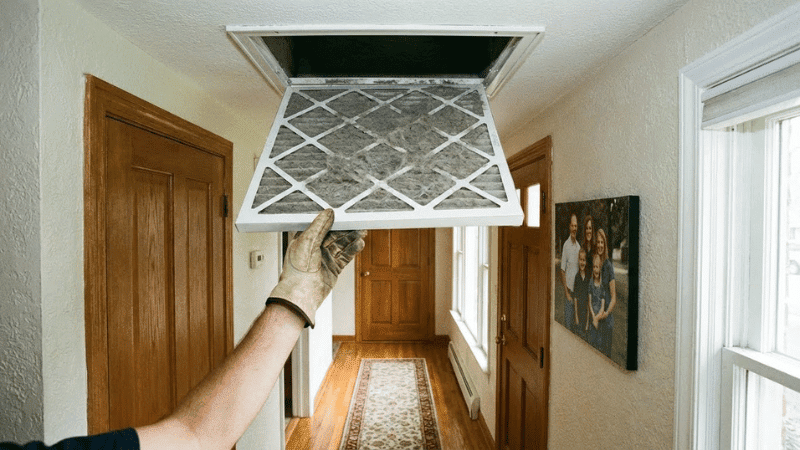
No, you should not run your AC without a filter, as it can cause severe damage and expensive repairs. While the system will still operate, dust and debris will be pulled directly into the system, coating the evaporator coils, reducing efficiency, and leading to potential failure.
What Your AC Filter Actually Does
Every air conditioning system has a return vent that draws warm indoor air back into the system to be cooled. The filter sits at that intake point and traps dust, hair, pollen, and debris before they reach sensitive components like the evaporator coil or blower fan.
This simple barrier keeps your system clean, maintains airflow, and ensures your air conditioner works efficiently. When you remove the filter, the entire system becomes exposed to dirt and contaminants that quickly build up inside.
What Happens When You Run the AC Without a Filter
Even running your AC for a short period without a filter can cause multiple problems that affect both performance and health.
1. Dust and Dirt Clog the Coils
Without a filter, airborne dust and debris settle directly on the evaporator coils. These coils absorb heat from your home, and when coated in grime, they cannot do that effectively. Cooling efficiency drops, your system runs longer, and energy bills climb.
Over time, the buildup can cause the coil to freeze or corrode, leading to expensive repairs or replacement.
2. Airflow Becomes Restricted
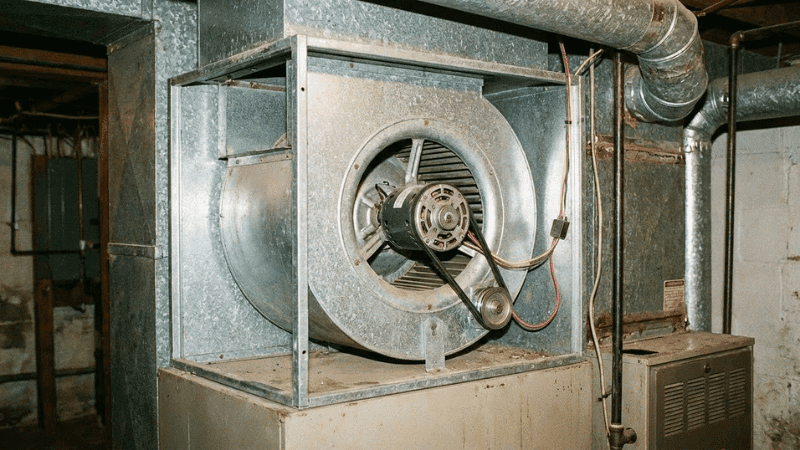
Dirt entering the blower fan and ductwork changes how air moves through your system. Clogged or coated components slow airflow, making the system work harder to push air. The result is uneven cooling and higher wear on mechanical parts.
For consistent airflow and temperature control, schedule AC maintenance at least once a year.
3. Poor Indoor Air Quality
The air filter not only protects your system but also protects you. Without it, dust, pet dander, and allergens circulate freely through your home. This can cause irritation, allergies, and breathing problems, especially for people with asthma or respiratory sensitivities.
4. System Overheating
When dust collects on the fan motor or coils, heat cannot escape efficiently. The system may overheat, causing it to shut down or trip the breaker. Repeated overheating shortens the lifespan of your air conditioner.
5. Moisture and Mold Growth
The evaporator coil produces condensation as it cools air. Without a filter, dirt and dust mix with that moisture, creating a perfect surface for mold to grow. That mold can spread through your ducts and into your living space.
If you suspect mold or debris buildup, professional HVAC services can clean and sanitize your system safely.
How Long Can an AC Run Without a Filter?
If you accidentally remove your filter or forget to replace it, it’s best to shut the system off immediately. Even a few hours of operation can allow dust to settle on sensitive components.
Running the AC for one night without a filter during a heatwave probably won’t destroy it, but it does start the buildup process. The longer it runs, the worse it gets. Over time, dirt accumulation will cause reduced efficiency, airflow restriction, and eventual mechanical failure.
Whenever possible, wait until you have a clean replacement before turning your system back on.
What to Do If You Don’t Have a Replacement Filter
If your old filter is too dirty and you’re waiting for a new one to arrive, here’s what you can do safely:
- Turn off the system until the replacement arrives.
- Clean the return vent using a vacuum or microfiber cloth to remove surface dust.
- Do not try to run the system with makeshift materials like paper towels, cloth, or furnace filters that don’t fit properly. These restrict airflow and can cause even more damage.
- Once the new filter arrives, make sure it matches your system’s size and MERV rating before installation.
How to Choose the Right Air Filter For Your Air Conditioner
Air filters come in various materials and efficiency levels. Choosing the right one depends on your household’s needs.
- Fiberglass filters: Affordable and disposable but only capture large particles.
- Pleated filters: Offer better filtration and are ideal for most homes.
- High-efficiency filters: Capture very small particles but may restrict airflow in older systems if not designed for them.
Always check your manufacturer’s recommendations or ask a technician during your next AC repair service visit to find the best option for your system.
Signs Your AC Filter Needs to Be Replaced
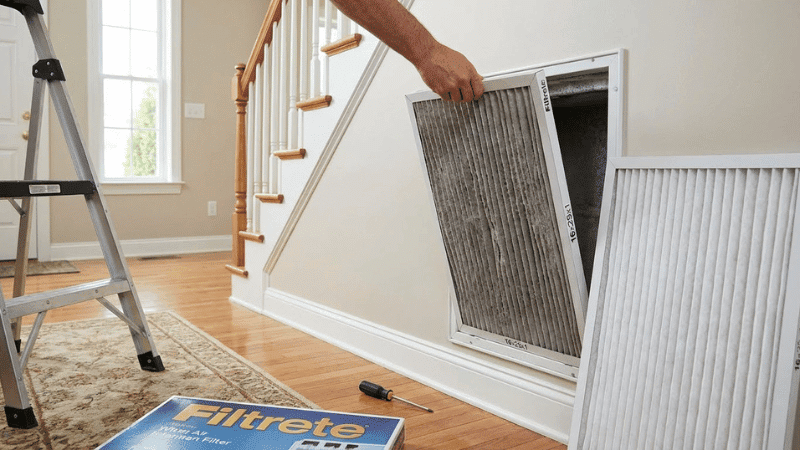
Even if you don’t remove your filter completely, running the system with a dirty one causes similar problems. Here are the most common warning signs that your filter needs changing:
- Weak airflow from vents
- Unexplained increase in energy bills
- More dust settling on surfaces
- Longer cooling cycles
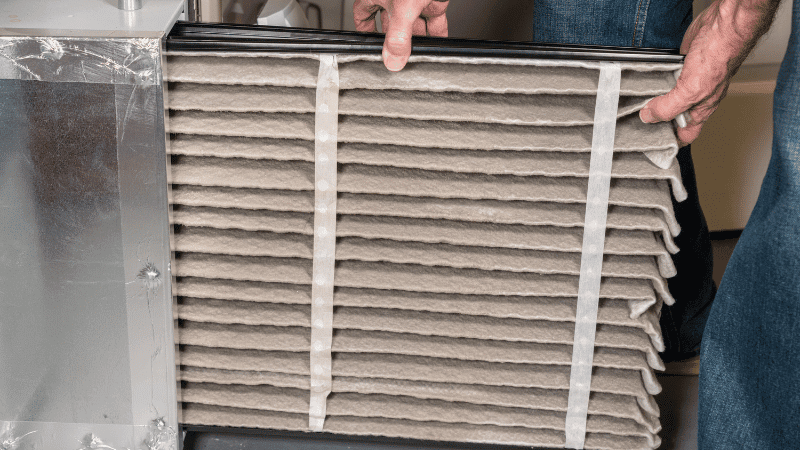
- Visible dirt or discoloration on the filter
Most filters need replacement every one to three months depending on usage, pets, and local air quality.
The Connection Between Air Filters and System Lifespan
Your air conditioner’s health depends on consistent airflow and clean components. Filters are the first line of defense that make that possible. Running the system without one shortens its lifespan significantly.
Coils and blower motors covered in dirt must work harder, drawing more electricity and generating more heat. Over time, this leads to early breakdowns that could have been avoided with regular maintenance.
If your AC has already run without a filter for several days or weeks, it’s wise to schedule an inspection. A technician can clean the internal components, check for damage, and restore proper performance.
The Real Cost of Skipping Filters
A standard filter costs only a few dollars, but the repairs that result from running without one can reach hundreds or even thousands. Cleaning a dirty evaporator coil, repairing a blower motor, or replacing a damaged compressor costs far more than the simple upkeep of changing filters regularly.
Think of filters as small investments that protect your larger one… your HVAC system.
Final Thoughts
You can run your air conditioner without a filter, but you shouldn’t. Even a short time without proper filtration can cause dirt buildup, airflow problems, and poor indoor air quality. Filters are inexpensive, easy to replace, and essential for keeping your system healthy.
Whenever you’re unsure about the right filter or suspect internal dirt buildup, call a trusted professional to inspect your system.
For expert maintenance and reliable cooling performance, Tailored Mechanical provides seasonal tune-ups and filter replacements that keep your AC running efficiently year-round. Our technicians ensure your system stays clean, safe, and optimized for energy savings.
Call (520) 808 2743 today to schedule a maintenance visit and keep your air conditioner protected from avoidable damage.
Frequently Asked Questions
Is it safe to run my air conditioner for one day without a filter?
Running your AC for a single day without a filter is not ideal, but it likely will not cause permanent damage if done only once. However, dust and debris can begin settling on coils and fan blades almost immediately. It’s best to turn the system off until a proper filter is installed to avoid airflow issues and unnecessary wear.
What happens if I forget to put the filter back after cleaning or replacing it?
If your system runs without a filter for several hours or days, dirt and hair can collect on sensitive components like the evaporator coil and blower fan. This reduces cooling performance and may cause the coil to freeze. Always double-check that a clean filter is securely in place before turning your system back on.
Can I use my furnace filter in my AC system?
In most homes with a combined HVAC system, the same filter serves both the furnace and air conditioner. As long as it matches the correct size and MERV rating for your unit, it can be used for both heating and cooling. Always confirm compatibility in your system manual or with a technician before making changes.
How do I know which air filter size and type my AC needs?
The correct filter size is usually printed on the frame of your current filter or listed in your HVAC unit’s manual. The right type depends on your system’s airflow capacity and your household needs. Pleated filters work well for most homes, while higher MERV-rated filters capture finer particles but may restrict airflow in older systems.
Can running without a filter void my AC warranty?
Yes. Many manufacturers consider damage from operating without a filter to be preventable and therefore not covered under warranty. If dirt buildup leads to coil corrosion, motor failure, or electrical problems, those repairs may fall outside warranty coverage. Keeping a clean filter in place is an easy way to protect both your system and your warranty.