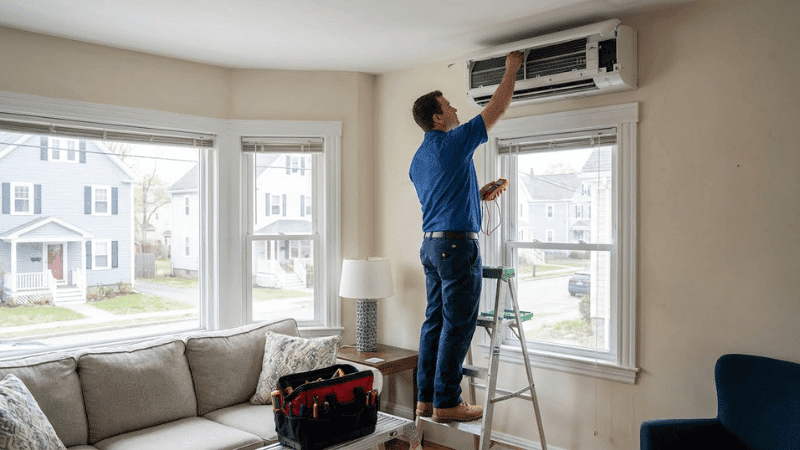
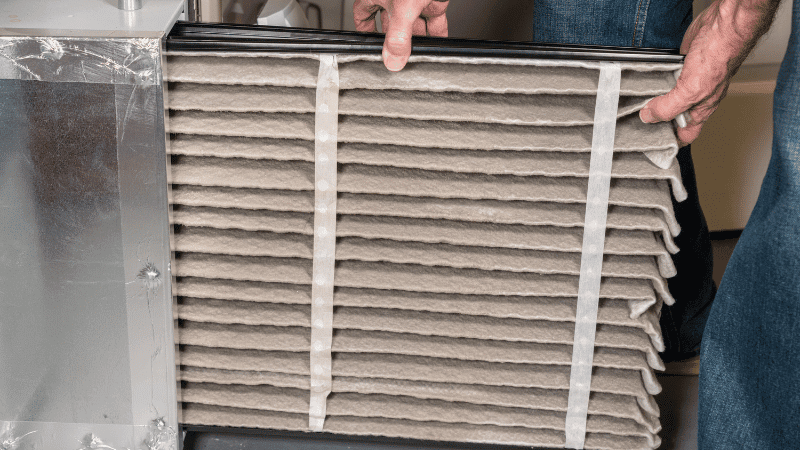
Changing your furnace filter might not seem like a major task, but it plays a crucial role in keeping your heating system running smoothly and maintaining good air quality in your home. Over time, your furnace filter traps dust, debris, pet hair, and other particles, but when it gets too clogged, it can cause a range of issues. Knowing when and how often to change the furnace filter is essential to ensure your furnace works efficiently and your home stays comfortable.
In this blog, we’ll cover why furnace filters are so important, how to choose the right filter, and how often you should replace it to keep your system in top shape.
Key Takeaways
- Change your furnace filter every 1 to 3 months to ensure efficient operation.
- Pet owners, allergy sufferers, and larger households may need more frequent replacements.
- Use high-quality filters for better air quality and fewer changes.
- Watch for signs like reduced airflow or increased dust as indicators to replace the filter.
How Often to Change a Furnace Filter?
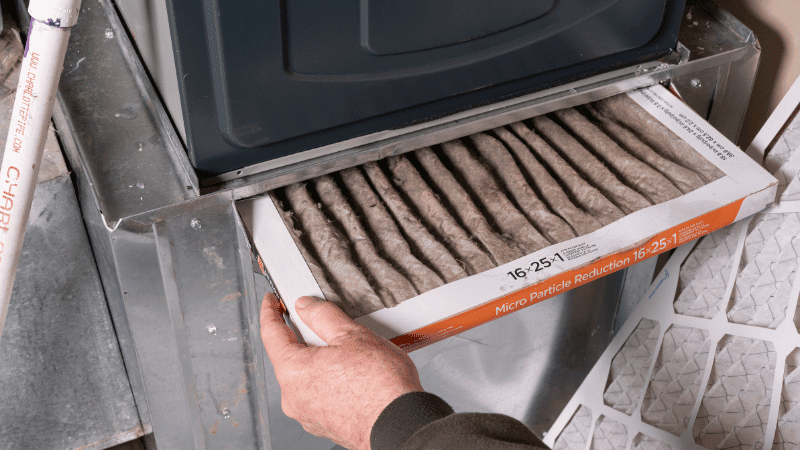
You should change your furnace filter every 1 to 3 months for standard 1-inch filters, but thicker filters (3-4 inches) can last 6-9 months, and 5-6 inch filters up to a year, depending on usage, pets, and air quality. Always inspect your filter monthly; if it looks visibly dirty or clogged, change it sooner, regardless of the recommended schedule, to maintain good airflow and efficiency.
Why Furnace Filters Matter
The furnace filter is the first line of defense against dust, dirt, and debris that can enter your heating system. Its job is to clean the air and protect the furnace components from damage. If the filter is dirty or clogged, the airflow to the furnace is restricted, which can reduce heating efficiency and put unnecessary strain on the system.
A clogged filter can lead to:
- Reduced airflow: A dirty filter restricts the amount of air flowing through your furnace, making it harder to heat your home evenly.
- Higher energy bills: Your furnace works harder to maintain the desired temperature, using more energy in the process.
- Increased wear and tear: A clogged filter can cause your furnace to overheat or malfunction, leading to costly repairs.
- Poor indoor air quality: A dirty filter can allow dust and allergens to circulate, affecting the air you breathe.
Changing the furnace filter regularly helps avoid these issues, extending the life of your system and keeping your indoor air clean.
How Often Should You Change Your Furnace Filter?
The general recommendation is to change your furnace filter every 1 to 3 months, but this can vary depending on several factors.
1. Filter Type
The type of filter you use plays a major role in how often it needs to be replaced. There are several common types of furnace filters, including:
- Fiberglass filters: These are the most basic and affordable option, but they need to be replaced every 30 to 60 days.
- Pleated filters: These are more efficient at trapping particles and typically last 90 days before needing a replacement.
- HEPA filters: High-efficiency filters trap even smaller particles and can last up to 6 months, but may need to be replaced sooner if you have pets or allergies.
- Washable filters: These filters can be cleaned and reused but should be replaced every 1 to 3 years depending on usage.
Check the manufacturer’s recommendations for your specific filter, as they will provide the most accurate guidance.
2. Household Factors
Your home’s environment can also impact how often you need to change the filter. Consider these factors:
Pet Owners
If you have pets, especially ones that shed, your furnace filter will fill up faster. Pet hair, dander, and other particles can quickly clog the filter, so changing it every 30 to 60 days is often necessary.
Allergies
If anyone in your home suffers from allergies or respiratory issues, you may want to change your filter more often. A clean filter ensures that fewer allergens, dust, and pollen circulate through the air.
Number of Occupants
More people in the home can mean more dust, dirt, and particles in the air. If you have a larger household, you may need to replace the filter more frequently.
Smoking
If someone in your home smokes, it can cause a buildup of particles and chemicals in the air, which can clog the filter more quickly. Changing the filter every 30 to 60 days may be necessary in this case.
Environmental Factors
If you live in an area with a lot of dust, dirt, or construction nearby, you might find that your filter gets dirty faster. In dusty environments, changing the filter every month can help maintain airflow and system efficiency.
3. Furnace Usage
The more you use your furnace, the more often you should change the filter. If you run your furnace frequently during the winter months, it’s a good idea to check the filter every month. For homes with milder winters or infrequent furnace use, you might be able to get away with changing the filter every 3 months.
Signs It’s Time to Change Your Furnace Filter
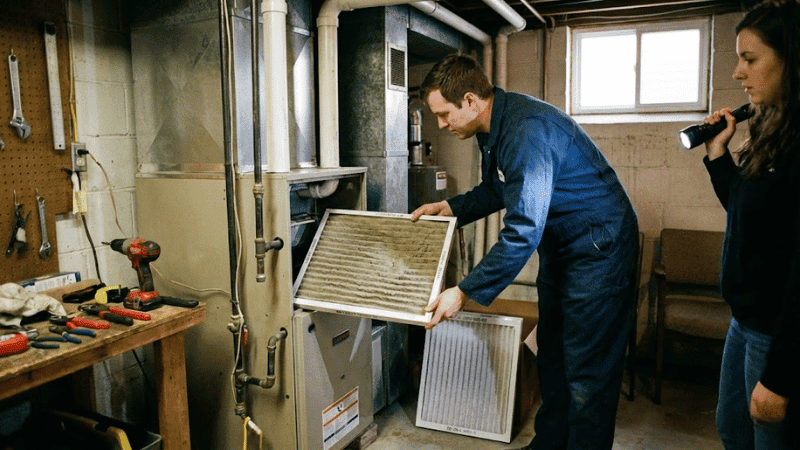
In addition to sticking to a regular schedule, there are several signs that it’s time to replace your furnace filter:
- Reduced airflow: If you notice that your furnace isn’t blowing as much air as it should, or if certain rooms feel cooler than others, it could be a sign that the filter is clogged.
- Increased energy bills: A dirty filter forces the furnace to work harder, leading to higher energy consumption.
- Dust accumulation: If you’re seeing more dust around the house than usual, your furnace filter may not be trapping particles effectively.
- Unusual noises: A clogged filter can cause your furnace to make strange noises, like rattling or buzzing, as it struggles to pull air through the system.
- Unpleasant odors: A dirty filter can sometimes cause musty or unpleasant smells in the air, especially if dust and debris have built up for an extended period.
How to Change Your Furnace Filter
Changing your furnace filter is a simple task, and doing it regularly will help keep your system running efficiently. Follow these steps:
- Turn off the furnace: Always switch off your furnace before replacing the filter to avoid damage.
- Locate the filter: The filter is typically found in the blower compartment or near the return air duct.
- Remove the old filter: Gently slide the old filter out. Be careful not to let dust and debris fall into the system.
- Insert the new filter: Make sure the filter is facing the right direction. The arrows on the side of the filter should point toward the furnace.
- Turn the furnace back on: Once the new filter is in place, turn your furnace back on and check for proper airflow.
Where We Come In
At Tailored Mechanical, we’re here to ensure your furnace runs efficiently year-round. If you’re unsure about how to maintain your furnace or need help selecting the right filter, our team is ready to assist. Regular filter changes are just one part of keeping your heating system in peak condition. Contact us today to schedule a furnace inspection or to learn more about our maintenance plans.
Frequently Asked Questions
How do I know what furnace filter size I need?
Check the label on your existing filter or look at the furnace owner’s manual. Using the wrong size can reduce airflow and cause system strain.
Are reusable or washable furnace filters worth it?
They can be cost effective over time, but they require regular cleaning and may not trap as many fine particles as high quality disposable filters.
Can a dirty filter cause my furnace to stop working?
Yes. A severely clogged filter can restrict airflow so much that the furnace overheats and shuts down as a safety precaution.
Does my filter choice affect allergies in my home?
Absolutely. Filters with a higher MERV rating capture more allergens like pollen, dust, and pet dander, which can improve indoor air quality.
Should I replace my filter more often if I run the furnace fan continuously?
Yes. Continuous fan operation moves more air through the filter, so it will fill up faster and should be replaced more frequently.