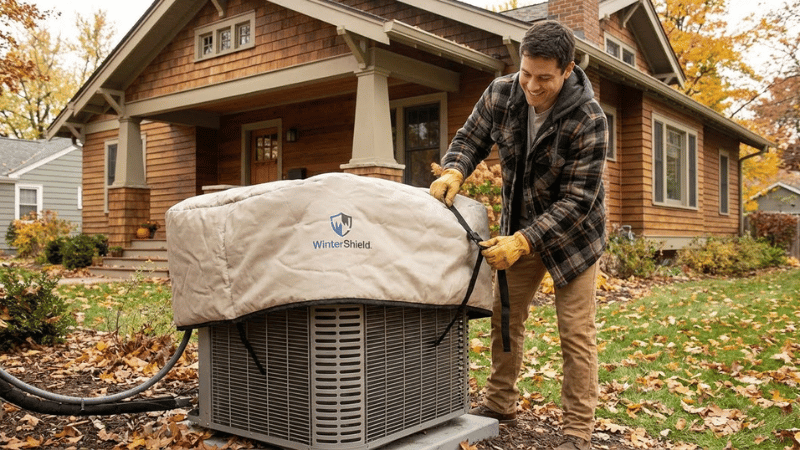
As temperatures drop and the cooling season ends, many homeowners start to wonder: should I cover my outdoor AC unit for winter? It seems like a smart way to protect your system from rain, snow, and debris, but covering your air conditioner can sometimes cause more harm than good.
The truth depends on your climate, the type of AC you have, and how you use it through the year. This guide breaks down everything you need to know, including when it makes sense to cover your unit, when you shouldn’t, and how to protect it properly without creating new problems.
Key Takeaways
- Covering your AC in winter often traps moisture, causing rust, mold, and pest issues rather than protecting it.
- A breathable top-only cover is safest, preventing debris and snow buildup while allowing ventilation and moisture escape.
- Full wraps or plastic covers can damage components, void warranties, and create nesting spaces for rodents.
- Regular cleaning, proper shutdown, and seasonal maintenance are more effective for winter protection than fully covering the unit.
Should You Cover Your AC Unit in Winter?
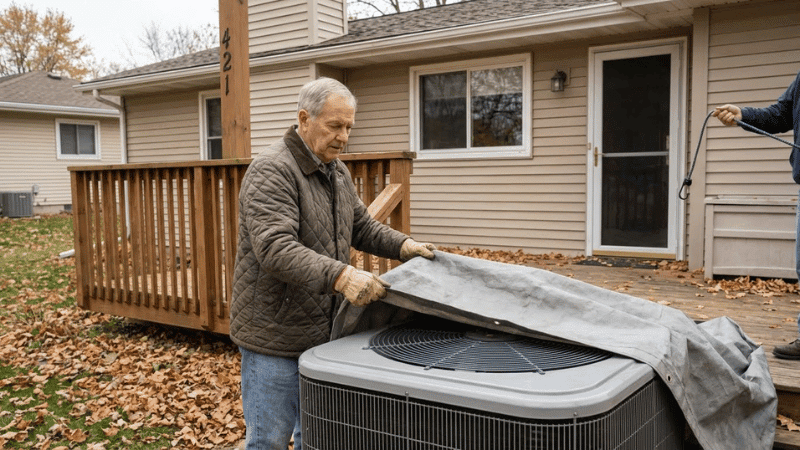
No, you should not cover your AC unit in the winter, as it can trap moisture and cause rust, mold, or damage from pests. Modern AC units are built to withstand outdoor elements, and covering them can lead to more problems than it solves. Instead, you can clean the unit and place a simple board over the top to block snow and debris while allowing for ventilation.
Understanding Your Outdoor AC Unit
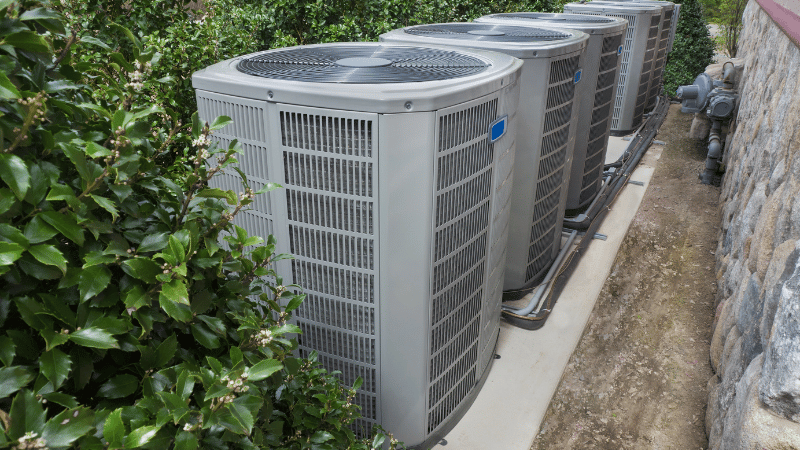
Your outdoor air conditioner, also called the condenser, is built to live outside year-round. It houses the compressor, fan, and condenser coils; components designed to handle exposure to sun, rain, and temperature changes. The metal casing and electrical systems inside are weather-resistant, so a typical winter won’t damage them.
That said, harsh conditions can still cause wear. Ice buildup, falling debris, or trapped moisture can create maintenance issues if the system is neglected all winter. The key is learning how to protect the unit without sealing it off completely.
When It Makes Sense to Cover Your AC
There are some cases where using a cover makes practical sense.
1. Protection From Falling Debris
If you live near trees, leaves and branches can fall into the fan grille during winter. A simple, breathable top cover prevents debris from collecting inside the unit. This keeps the fan blades clear and reduces the chance of clogging when you start it back up in spring.
2. Heavy Snow or Ice Conditions
In areas with frequent snow accumulation or freezing rain, covering the top portion of your AC can help protect the fan blades and coils. Snow that melts and refreezes can cause corrosion or damage the coil fins. A waterproof top cover or protective board helps prevent that buildup.
3. Long Periods of Inactivity
If you completely shut down your AC for the season, a partial cover offers protection from dirt and wildlife. Rodents sometimes seek warmth inside outdoor units. Blocking easy entry points helps prevent nesting or chewed wiring.
When You Shouldn’t Cover It
Covering your AC too tightly can create serious problems. Here’s why:
1. Moisture Traps Inside
A fully sealed cover traps condensation inside the unit. This moisture creates a perfect environment for rust, mold, and corrosion on metal parts and electrical connections. Ironically, the cover meant to protect your AC can end up damaging it instead.
2. Rodents and Pests
A tight cover can attract small animals looking for warmth. Mice and squirrels often chew on insulation or electrical wiring once they get inside. Leaving the unit open and exposed to airflow makes it less appealing for nesting.
3. Airflow Restriction
If you accidentally turn on your AC while the cover is still on, it can block ventilation. The system overheats quickly and risks damaging the compressor. If you choose to cover your unit, always remove it before restarting in spring.
4. Warranty and Maintenance Issues
Some manufacturers discourage using full covers because trapped moisture and corrosion are considered owner-caused damage. Always check your owner’s manual before buying any protective cover.
The Right Way to Protect Your AC in Winter
If you decide to protect your air conditioner, the goal is to shield it, not seal it.
Use a Breathable Top Cover
Choose a cover made from breathable, water-resistant fabric that fits over the top of the condenser like a lid. It should extend only a few inches down the sides, not wrap around the entire unit. This allows airflow while preventing debris and ice from accumulating.
Keep the Area Clear
Before covering, clean the area around your AC. Remove leaves, twigs, and dirt. Trim nearby plants or shrubs so air can circulate freely.
Secure the Cover
Use bungee cords or a fitted elastic edge so winter winds do not blow the cover off. Avoid heavy tarps that block air completely.
Turn Off Power to the Unit
Flip the disconnect switch near the outdoor unit to ensure the AC doesn’t start accidentally during mild winter days. This prevents the system from running with restricted airflow.
Schedule a Post-Winter Checkup
Before the cooling season returns, have a professional inspect and clean your system. Regular maintenance ensures your air conditioner runs efficiently after sitting idle for months.
For consistent protection and service reminders, consider joining a maintenance club that includes seasonal system checkups.
Heat Pumps Are Different
If you have a heat pump instead of a standard AC, do not cover it. Heat pumps run year-round, including in winter. Covering the outdoor unit prevents it from pulling in air and releasing heat, which can cause severe damage.
Heat pumps are designed with defrost cycles and cold-weather protection features, so they don’t need external covering. Just keep the area around them clear of snow and ice.
Simple Off-Season Care Checklist
Whether you cover your AC or not, use this checklist to protect your system each winter:
- Clean around the condenser before winter
- Turn off the disconnect switch to prevent accidental use
- Inspect and tighten visible electrical connections
- Remove debris from the top and fan area
- Place a breathable top cover if debris or snow is common
- Keep at least two feet of clearance on all sides
- Schedule spring inspection and cleaning before startup
For detailed system care, learn more about HVAC services that include outdoor unit maintenance and seasonal inspections.
What About AC Units Under Carports or Covered Patios?
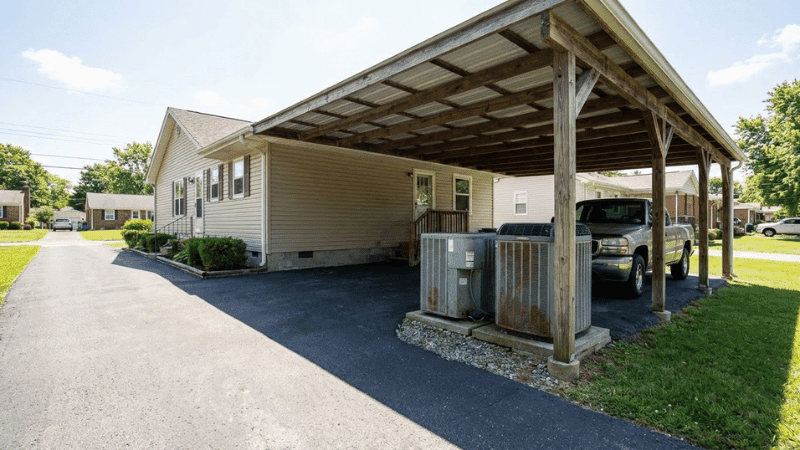
If your air conditioner sits under a carport, patio roof, or awning, you may not need any additional covering at all. The overhead protection already shields it from snow and falling debris. Just be sure the area remains open enough for proper airflow.
If you notice dirt or dust buildup, you can gently hose off the condenser coils before spring. Allow them to dry completely before reconnecting power.
Should You Cover the Whole AC or Just the Top?
The best option is usually to cover just the top portion of the AC. This approach prevents debris from falling in while still allowing moisture to escape. Full-coverage wraps that extend to the ground are unnecessary in most climates and can trap condensation.
A top cover strikes the right balance between protection and ventilation. It’s a simple and safe way to extend your system’s lifespan without creating hidden damage.
Final Thoughts
Covering your air conditioner in winter is not mandatory, but in some environments, it can be helpful when done correctly. Use a breathable top cover, keep the unit clean, and make sure moisture can escape freely. Avoid full plastic wraps or tight tarps that trap condensation.
The best long-term protection is still proper maintenance. Regular cleanings, filter replacements, and professional inspections prevent corrosion and ensure smooth performance every cooling season.
Whether you decide to cover your AC or not, consistent maintenance makes the biggest difference. Tailored Mechanical provides seasonal tune-ups and inspections that help prevent winter damage, extend system life, and prepare your equipment for summer cooling.
Call (520) 808 2743 today to schedule your next maintenance visit and keep your system protected through every season.
Frequently Asked Questions
Is rain or snow alone enough to damage my outdoor AC unit?
No, most modern air conditioners are built to handle normal rain and snow exposure. The electrical components are sealed, and the metal casing is designed to resist corrosion. Problems occur only when water or ice becomes trapped inside the unit, which is why it is important to keep the top clear and ensure proper drainage around the base.
Should I cover my AC unit if I live in a mild winter climate?
If your winters are generally mild with little snow or ice, you do not need to cover your AC unit. A quick cleaning around the base and removing leaves or dirt from the fan area is usually enough. In these climates, a cover can actually trap moisture that would otherwise evaporate naturally.
Can I use a regular tarp instead of a specific AC cover?
Using a tarp is not recommended because it does not allow air circulation. Even if secured properly, tarps can trap moisture and promote rust or corrosion on the coils and electrical components. If you must use one temporarily, keep it loose and remove it on dry days to allow ventilation.
Should I cover my AC unit if it sits under a patio or carport?
If your outdoor unit is already under a covered structure, you typically do not need an additional cover. The overhead protection already shields it from most debris and precipitation. However, it is still important to keep the surrounding area clean and ensure proper airflow around the sides.