
Thermostat Not Working? Here’s How to Troubleshoot and Fix It
It always seems to happen at the worst time. The thermostat goes blank on a scorching summer day or refuses to respond when you try to warm the house on a chilly night. Because the thermostat acts as the brain of your HVAC system, any problem with it can throw your comfort completely off balance.
If you’ve ever wondered whether the issue lies with the thermostat or the HVAC system itself, you’re not alone. The good news is that many thermostat problems are relatively easy to diagnose and, in some cases, fix on your own.
In this guide, we’ll walk you through the most common reasons a thermostat may not be working, quick checks you can perform, and when it’s time to bring in a professional.
How to Tell It’s a Thermostat Issue
Before assuming the worst, it’s important to confirm that the thermostat is the actual problem. Some common signs include:
- The display is blank or flickering.
- The thermostat doesn’t respond when you adjust the settings.
- Your HVAC system doesn’t turn on or off when commanded.
- The temperature in the room feels very different from the reading on the screen.
- The system keeps turning on and off in short cycles.
If you notice one or more of these signs, chances are good the thermostat itself is malfunctioning rather than the entire HVAC system.
Common Causes and Troubleshooting Tips
Most thermostat issues trace back to a few common problems. From power interruptions to incorrect settings or wiring concerns, here are the most frequent causes and how to troubleshoot them.
Power Problems
One of the simplest reasons for thermostat failure is a power issue. For battery-powered units, dead or weak batteries can cause the screen to go blank or become unresponsive. Swapping them out is a quick first step.
For wired thermostats, the problem may be with your home’s electrical system. A tripped breaker or blown fuse can cut power not only to the thermostat but also to your entire HVAC system. Checking your breaker box and resetting a tripped switch may be all it takes. If the breaker trips repeatedly, however, that indicates a larger electrical issue that requires professional help.
Incorrect Settings or Mode
Sometimes the thermostat is fine, but the settings are off. If your air conditioner isn’t cooling or your furnace isn’t heating, double-check that the thermostat is in the correct mode. It’s easy to accidentally leave it on “heat” when you need “cool,” or vice versa.
Programmable or smart thermostats can add another layer of confusion. Automated schedules may override manual settings, leaving your home too hot or too cold.
Also, pay attention to the fan setting. If it’s set to “on,” the fan will run constantly, which may make it seem like the system isn’t working properly. Switching it to “auto” allows the fan to run only when heating or cooling is active.
Poor Placement or Dirty Sensors
The location of your thermostat affects its accuracy. If it’s installed in direct sunlight, near vents, or close to appliances that generate heat, the readings may not reflect the true temperature of the house. This can cause your HVAC system to run longer than necessary or shut off too soon.
Dust and dirt buildup inside the thermostat can also interfere with its sensors. A quick cleaning with a soft brush or cloth can help restore accuracy. If placement is the issue, moving the thermostat to a more central, neutral spot can make a big difference.
Loose or Corroded Wiring
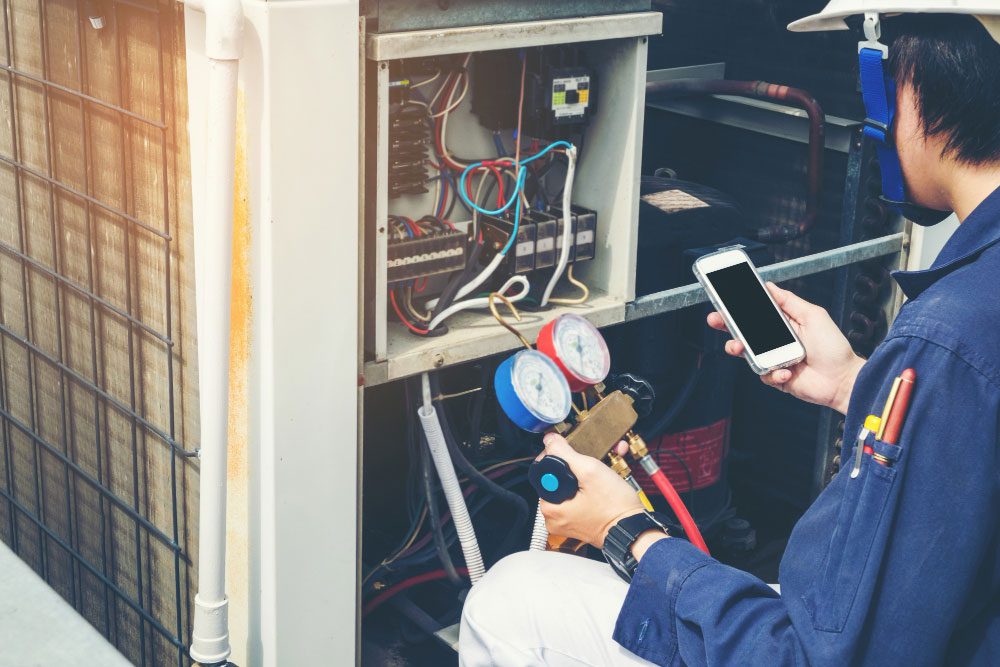
Thermostats rely on wiring to communicate with your HVAC system. Over time, wires can loosen, fray, or corrode, disrupting the signals. This can lead to problems such as short cycling, failure to start, or the system ignoring thermostat commands altogether.
While you can remove the cover and visually inspect for damaged wires, it’s important not to touch or attempt to fix them yourself. Wiring issues should always be handled by a licensed technician to avoid safety hazards.
Aging or Faulty Thermostat
Just like any other device, thermostats wear out with age. Mechanical models may lose calibration, while older digital versions can simply stop functioning correctly. If your thermostat is over a decade old and you’re experiencing repeated issues, replacement may be the best option.
Modern thermostats offer improved accuracy and additional features like programmable schedules, Wi-Fi connectivity, and energy usage tracking. If your old unit is unreliable, upgrading can improve both comfort and efficiency.
Compatibility or Mode Recovery Issues
Smart thermostats are convenient but can sometimes cause confusion. Features like recovery mode or adaptive scheduling are designed to save energy but can make it seem as though the thermostat isn’t responding to your inputs. For example, it may delay heating or cooling to align with a learned schedule.
Compatibility is another concern. Not every thermostat works with every HVAC system. If you recently installed a new thermostat and your system isn’t responding, it may not be fully compatible. In such cases, consulting the manufacturer’s instructions or an HVAC professional can help identify and solve the problem.
Safe DIY Checklist
If your thermostat isn’t working, there are a few safe steps you can take before calling for help:
- Replace the batteries if your unit uses them.
- Check your breaker panel and reset any tripped switches.
- Confirm that the thermostat is in the right mode and that no automated schedule is overriding your input.
- Clean the thermostat housing and sensors to remove dust.
- Make sure it isn’t placed in direct sunlight or near heat-producing appliances.
- Perform a visual check of the wiring without touching it.
- Reset the thermostat if it’s a digital or smart model that seems unresponsive.
These checks can often restore function or at least help narrow down the cause of the problem.
When to Call a Professional
If the thermostat remains unresponsive after these steps, it’s time to bring in an HVAC technician. Professionals have the tools and expertise to test wiring, inspect system connections, and determine whether the thermostat or another part of your HVAC system is to blame.
Situations that warrant professional help include visible wiring damage, repeated breaker trips, or thermostats that fail despite battery changes and resets. In some cases, the best solution is installing a new thermostat that is compatible with your HVAC system and household needs.
On A Final Note;
Your thermostat may be small, but it has a big impact on your home’s comfort and efficiency. The good news is that many thermostat issues are easy to troubleshoot, and knowing what to check can save you stress and money. However, problems like wiring, compatibility, or repeated failures are best left to a professional.
If your thermostat has stopped working and you’re ready for dependable solutions, Tailored Mechanical can help. Our certified technicians provide accurate diagnostics, expert repairs, and smart upgrade options when needed.
Call Tailored Mechanical today at (520) 808-2743 to schedule your service and get your thermostat back in working order.