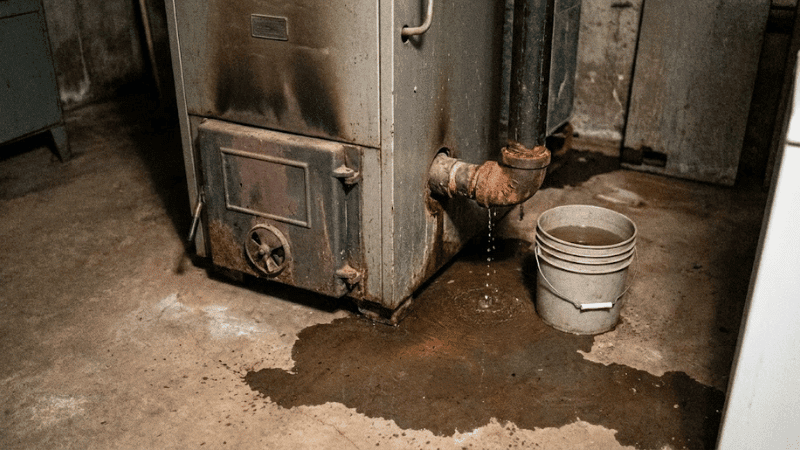
A furnace leaking water is a concerning issue that can cause damage to your home and your heating system if left unresolved. It may seem like an unusual problem since furnaces are primarily designed to heat air, not handle water. However, there are several reasons why your furnace may be leaking water, and understanding these causes can help you take the right steps toward a fix.
In this blog, we’ll walk through the most common causes of water leaks in furnaces, how to spot them early, and what you can do to prevent them from turning into a major issue.
Key Takeaways
- Water leaks in furnaces can be caused by clogged condensate lines, dirty filters, or malfunctioning components.
- If water is pooling around the furnace, the condensate drain or drip pan might be clogged.
- Regular maintenance, such as cleaning the condensate line and replacing filters, can prevent water leaks.
- If the problem persists, it’s best to call a professional technician for inspection and repair.
Why Is My Furnace Leaking Water?
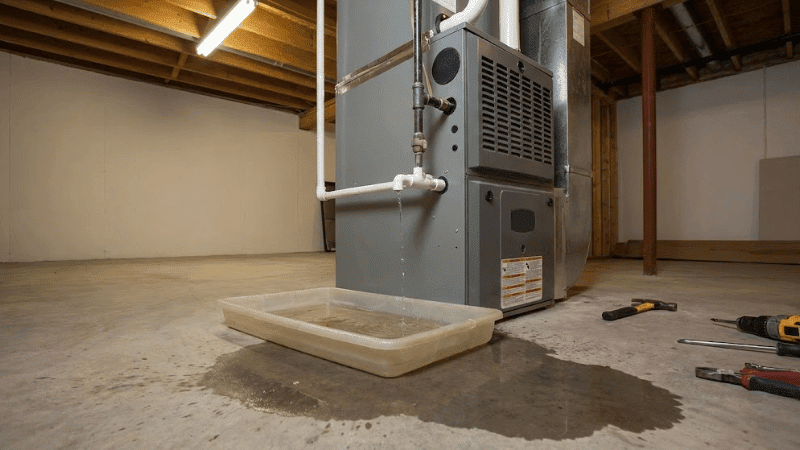
A furnace can leak water due to condensation backup, a clogged condensate drain, a damaged drain line, or a malfunctioning condensate pump. Other causes include a cracked heat exchanger, a faulty humidifier, or issues with the exhaust pipe. It’s best to first check and clean the condensate drain, but if the problem continues, contact a professional HVAC technician for a full diagnosis.
Common Causes of a Furnace Leaking Water
Water leaks around your furnace are often a sign of an underlying issue. These issues can range from a simple clog to a more serious problem requiring repairs or even replacement. Here are some of the most common causes:
1. Condensate Drain Problems
Furnaces with a high-efficiency (condensing) model produce condensation as a byproduct of the combustion process. This water is normally funneled into a drain via a condensate line. If the drain becomes clogged or the line is broken, water may back up and leak from the furnace.
2. Clogged or Disconnected Condensate Drain Line
Over time, the condensate drain line can become clogged with dirt, dust, or algae. This blockage prevents water from properly draining, causing it to back up and spill into the furnace. In some cases, the drain line may become disconnected from the furnace, leading to the same issue.
3. Dirty Air Filters
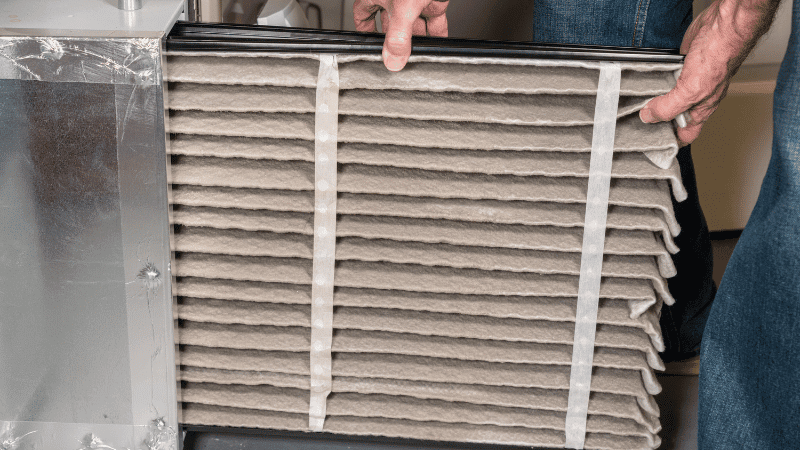
A clogged or dirty air filter can restrict airflow in the furnace. When airflow is restricted, the system works harder and can cause the furnace to overheat. Overheating may lead to excess moisture accumulating inside the furnace and leaking out as water. This is particularly common in furnaces with an evaporator coil that produces condensation.
4. Leaking Evaporator Coil
If your furnace has an evaporator coil for air conditioning during the summer months, it can also be a source of water leaks. If the coil becomes damaged or the drip pan below the coil is broken or clogged, water can spill over and leak into the furnace.
5. Humidifier Issues
If your furnace is equipped with a humidifier, water leakage may occur if the humidifier’s water supply line is cracked or the humidifier is malfunctioning. This can cause water to drip onto the furnace or into surrounding areas.
How to Spot a Furnace Leak
Detecting a furnace water leak early is essential to preventing serious damage. Here are some signs that you might have a leaking furnace:
1. Water Pooling Around the Furnace
If you notice pools of water around your furnace, especially near the base, this is a clear sign of a leak. The water may also pool in the surrounding area, such as your basement or utility room.
2. Condensation Around the Furnace
Excess condensation on or around the furnace is another indicator that there’s a leak. In most cases, this will occur if the condensate drain line is clogged or frozen.
3. Furnace Stopping or Malfunctioning
Water buildup can cause your furnace to stop working properly. In some cases, it may even shut down as a safety precaution. If your furnace is not heating properly and water is present, it’s important to address the leak immediately.
4. Musty Smell or Mold Growth
Water leaks can promote mold and mildew growth, which can lead to musty odors. If you detect a strong, unpleasant smell near the furnace, this could be a sign of water pooling somewhere inside or near the unit.
How to Fix a Furnace Water Leak
Once you’ve identified that your furnace is leaking water, there are several steps you can take to resolve the issue. Keep in mind that some issues, such as clogged condensate lines or malfunctioning components, are best handled by a professional HVAC technician. Here are some general steps you can take to troubleshoot:
1. Turn Off the Furnace
For safety reasons, always turn off the furnace before attempting any maintenance or inspection. This will help prevent further damage to the unit and keep you safe from electrical hazards.
2. Inspect the Condensate Drain Line
Check the condensate drain line for any visible clogs, dirt, or algae. You can clear minor blockages using a wet/dry vacuum or a plumbing snake. If the line is disconnected, you can try reconnecting it, but it’s best to have a professional do this to avoid improper installation.
3. Replace the Air Filter
If the air filter is clogged or dirty, replace it immediately. A clean air filter ensures proper airflow, reducing the chances of overheating and water buildup in the system.
4. Check the Evaporator Coil and Drip Pan
If your furnace has an evaporator coil, check the drip pan for damage or blockages. If it’s broken or full of debris, it may need to be cleaned or replaced. Ensure that the pan is securely positioned to catch any condensation.
5. Inspect the Humidifier
If the water leak is coming from the humidifier, check the water supply line for cracks or leaks. You may need to replace the line or the humidifier itself if it’s malfunctioning.
When to Call a Professional HVAC Technician
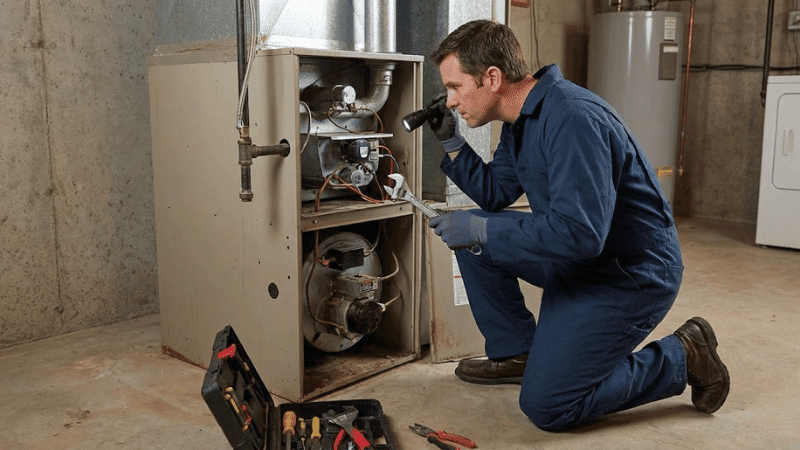
If your furnace continues to leak water after you’ve cleaned the condensate line, replaced the air filter, or addressed other potential issues, it’s time to call a professional. A certified technician will be able to:
- Inspect and clean the entire condensate drainage system.
- Check for internal damage to the furnace, evaporator coils, and other components.
- Identify and repair leaks caused by faulty parts like the humidifier or cracked drip pans.
- Ensure the furnace is functioning safely to prevent further issues.
Water leaks can often be more than a simple fix. Professional HVAC technicians have the tools and knowledge to properly diagnose the problem and prevent it from happening again.
Customer Story: A Tucson Home Saved from Water Damage
A homeowner on North Acamar Lane in Tucson contacted Tailored Mechanical after finding water near their furnace and noticing a musty smell in the utility room. Our technician arrived the same day and found multiple contributing issues: a clogged condensate drain line, a disconnected humidifier water supply, and a dirty air filter restricting airflow.
We cleared the blockage, reconnected the water line, replaced the air filter, and inspected the evaporator coil and drip pan for signs of damage. With the drainage system working properly again, the furnace returned to normal operation.
This is a good example of how minor issues, if left unaddressed, can lead to water damage and reduced performance. Calling a professional early helped the homeowner avoid more costly repairs and restore safe, efficient heating.
Contact Us Today For Help
At Tailored Mechanical, we specialize in diagnosing and repairing furnace issues, including water leaks. If your furnace is leaking water, don’t wait for the problem to worsen. Our experienced technicians will quickly identify the cause of the leak and provide a solution that gets your furnace back to working efficiently and safely. Contact us today to schedule an inspection or repair service.
Frequently Asked Questions
Can cold weather cause my furnace to leak water?
Yes. Extremely cold temperatures can freeze the condensate line and trap water inside the system. When the line eventually thaws, the backed up water can spill out and create noticeable leaks around the furnace.
Is a furnace leak dangerous for my home?
It can be. Water around the furnace can damage flooring, drywall, and electrical components. Prolonged moisture also encourages mold and mildew growth, which affects indoor air quality and can create health concerns for people in the home.
Should I use my furnace if it is leaking water?
It is safer to turn it off. Operating a furnace that is actively leaking can cause further internal damage, electrical issues, or overheating. Shutting it down and scheduling a professional inspection prevents larger and more costly problems.
Can a furnace leak if it is not a high efficiency model?
Yes. Even standard furnaces can leak if the evaporator coil experiences condensation issues, if the humidifier malfunctions, or if the drainage components are clogged. These problems can allow water to escape and collect around the furnace.
How often should the condensate drain line be cleaned?
Most homes benefit from cleaning the condensate drain line once a year. If your home has pets, dust buildup, or high humidity, cleaning may be needed more often to keep drainage flowing smoothly and prevent future leaks.